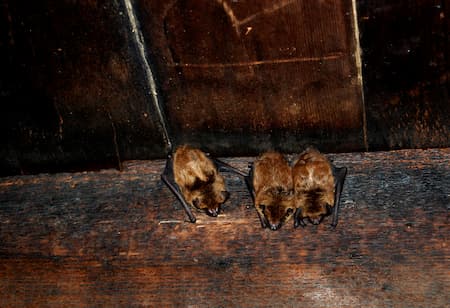
The Hidden Dangers of Bats in Historic Charleston Homes and How to Remove Them Humanely
Historic Charleston homes are full of charm, but age, weather, and complex rooflines create hidden gaps that bats can turn into a permanent roost. If you notice scratching at dusk, a sharp musty odor, or small, dark droppings near gable vents, it is time to bring in professionals for humane bat removal. The right approach protects your family, your house, and the bats that benefit our Lowcountry ecosystem.
Why Bats Love Historic Charleston Homes
Older houses in neighborhoods like South of Broad, Ansonborough, and the Old Village in Mount Pleasant often have louvered attic vents, layered rooflines, and aging mortar. Warm summers, lots of insects, and shaded piazzas make these structures even more attractive as safe roosts.
- Common entry points include gaps around chimney flashing, lifted shingles after coastal windstorms, and cracks where additions meet original walls.
- Gable vents with loose screens and tiny separations along soffits or fascia can be enough for bats to slip inside.
Unlike a one-time intruder, a small colony may return to the same roost every year. That is why a careful inspection and professional exclusion plan are essential.
The Hidden Risks You Cannot See
Bat guano accumulates quietly behind walls and under rafters. Over time it can saturate insulation, create odors, and attract insects. More importantly, dried droppings can harbor fungal spores that affect indoor air when disturbed. Structural issues can follow as moisture and waste corrode wood and metal over months or years.
Do not touch a bat or disturbed droppings. Even a well-meaning cleanup can aerosolize particles or spread contamination into living areas. Avoid entering tight attic spaces without proper safety gear. These are jobs for trained technicians who know how to contain, remove, and sanitize affected areas the right way.
Timing Matters for Humane Bat Removal in Charleston
Bats in the Lowcountry raise pups in late spring and summer. Humane removal plans are scheduled so flightless young are not trapped inside. That timing protects wildlife and prevents dead animals in your walls, which can create odor and secondary pest problems.
When you are ready to act, start with a professional inspection. If you are comparing providers for bat removal charleston, prioritize experience with historic structures and whole-home exclusion, not quick traps or repellents.
How Pros Remove Bats Humanely From Historic Homes
Every house is different, especially downtown single houses with layered roofs and original heart pine framing. A reputable wildlife specialist tailors the plan to your home’s age, materials, and access points.
- Thorough inspection to map all active and potential entry points from ridge to crawl space.
- One-way devices that let bats exit at dusk but prevent reentry once the colony has cleared.
- Sealing and screening of all gaps, including chimney caps and reinforced gable vent covers that preserve curb appeal.
- Post-removal cleanup and sanitization to address guano, odors, and soiled insulation.
Cleanup is just as important as eviction. After the colony is out, a proper attic clean out reduces odors, removes waste, and restores insulation so the air in your home stays healthy. Guano removal and sanitation should be handled by trained professionals only to avoid spreading contaminants.
Preventing the Next Infestation in the Lowcountry
Coastal weather, salt air, and seasonal storms can open new gaps even after a clean exclusion. A simple maintenance plan and periodic inspections keep your investment protected.
Consider a yearly check before peak summer activity. A pro will re-seal hairline separations, refresh screens on vents, and confirm that the original entry points remain secure. If you ever hear fluttering again, a fast response and coordinated wildlife removal plan will stop a small problem from becoming a colony.
Never seal holes on your own if bats could be inside. Closing gaps at the wrong time can trap animals and create serious health and odor issues indoors.
Real-World Signs Charleston Homeowners Report
Not every sign is obvious. Many Charleston homeowners first notice small clues long before they see a bat.
- Fine, pepper-like droppings below attic vents, louvered gables, or along window sills.
- Light scratching or squeaking around dusk or just before sunrise, especially near chimneys.
- Oily rub marks on entry gaps where bats brush the same edge repeatedly.
If any of these sound familiar, schedule a professional inspection. The goal is to confirm activity, time the work correctly, and plan humane exclusion that keeps your home safe and the colony unharmed.
Protect Your Historic Home With Humane Solutions
Older homes across Downtown, West Ashley, James Island, and Mount Pleasant can be preserved without sacrificing safety. A careful plan removes bats, seals the house, and restores the attic so your family can breathe easier. For a complete solution that respects both architecture and wildlife, talk with Monster Wildlife Removal about bat removal and long-term prevention.
Ready For Trusted Help Today?
If you think bats have claimed your attic, call 843-212-1147 to speak with a local specialist. Our team will inspect, schedule humane exclusion at the right time, and restore your space with careful cleanup. Start by requesting an inspection and learn how humane bat removal can protect your Charleston home for years to come.