Why Bats Move Into Charleston Area Attics Every Summer and How to Get Them Out Humanely
Hot, buggy Lowcountry nights make summer the busiest time for bats and for bat removal in the Charleston area. If you hear light chittering above the ceiling or notice small pellets near your garage or patio, your home may be part of a seasonal pattern across Charleston, North Charleston, Mount Pleasant, and Summerville. This guide explains why bats pick attics now, what signs to trust, how humane exclusion really works, and when timing matters in South Carolina. If you need a deeper dive on techniques, see our detailed overview of humane bat removal services from Monster Wildlife Removal.
Why Summer Is Prime Bat Season in the Lowcountry
Charleston’s warm, humid climate means insects are plentiful from late spring through summer. For bats, that is a reliable food source and a cue to establish seasonal roosts. Many species form maternity colonies during this window. Attics, soffits, and rooflines offer shelter that is dry, elevated, and stable compared to trees or bridges.
Air-conditioned homes also create steady temperatures. When nights are stormy over the marsh or along the Ashley and Cooper Rivers, a quiet attic in West Ashley, James Island, or Daniel Island can feel like a safe nursery site. That is why you see a spike in calls for Lowcountry bat removal each summer.
What Draws Bats To Charleston And North Charleston Homes
From older downtown cottages to newer neighborhoods in North Charleston and Goose Creek, bat access is usually about small construction gaps plus steady food nearby. Common attractors include:
- Tiny gaps at roof intersections, fascia returns, ridge vents, and louvered attic vents
- Open chimneys or warped soffit boards after spring storms
- Night lighting that pulls insects to the structure
- Nearby water and tree cover, like marsh edges and live oaks that shelter flight paths
Once a few bats find a safe roost, others may follow the scent and sounds. Over time the signs become more obvious, from guano staining on siding to persistent dusk activity at a specific seam.
Common Bats You’ll See Around Charleston
The Lowcountry hosts several species that adapt well to neighborhoods:
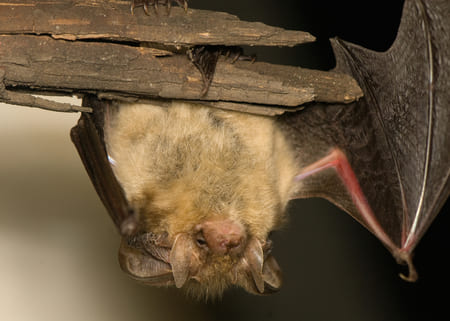
The Brazilian free-tailed bat is common in coastal South Carolina and often roosts in man‑made structures. Evening bats and big brown bats are also frequent attic users in the region, with tri-colored bats occasionally seen along wooded corridors. Species may mix in the same structure, which is one reason a thorough inspection matters before any exclusion plan.
How To Spot Bats In Your Attic
Homeowners often first notice light noises or small droppings. These clues help your licensed wildlife professional confirm what is happening without disturbing a maternity roost.
- Soft chittering or scratching near dusk and before dawn
- Pellet-like droppings that crumble into powdery specks, often below a seam or gable vent
- Staining or rub marks along a small gap where bats squeeze in and out
- A faint, musky odor that grows stronger in warm weather
- Increased insect activity swirling around rooflines after sunset
If you see a grounded bat, keep people and pets away. Do not handle a grounded bat. Call Monster Wildlife Removal for guidance.
Humane Bat Exclusion That Works
Effective solutions remove bats safely and prevent new entry. Humane exclusion protects both wildlife and your family. A professional plan from Monster Wildlife Removal usually follows a structured sequence tailored to your home’s materials and age.
- Inspection and documentation to confirm species, colony size, and exact entry points
- Sealing of non-primary openings so bats cannot re-enter elsewhere during the process
- Installation of one-way devices at active exits so bats can leave but not return
- Timed monitoring to ensure all bats have departed, then final sealing of the last exit
- Sanitation and odor control to address bat guano and urine that can linger in insulation
This approach is not the same in every home. It varies by home size, material, and season. The core idea is a controlled eviction using a bat one-way valve exclusion coupled with complete sealing at the right time. Never seal openings while bats are inside. When you are ready for a plan that fits your house in Mount Pleasant, North Charleston, or downtown Charleston, read through our step-by-step overview of professional bat exclusion and removal.
After a successful eviction, cleanup is essential. Guano and urine can damage insulation and drywall and can attract insects. For restoration, explore our related attic clean out service to return your space to a healthy baseline.
What South Carolina Rules Mean For Timing
In South Carolina, bats are protected wildlife. State guidance focuses on humane practices that avoid trapping pups that cannot fly. That is why exclusion is timed to miss the core maternity window, when mothers are nursing non-volant young. The exact window can shift year to year with weather, so a local inspection and careful scheduling are important.
When homeowners ask, “when can you remove bats in South Carolina,” the real answer is that timing depends on biology and conditions. A licensed wildlife specialist will confirm colony status and plan the work so mothers are not separated from pups. Timing around maternity season matters, and waiting a short time can be the difference between a clean, ethical exit and a messy outcome.
Health, Safety, And The Role Of Cleanup
Bat guano issues are often discovered during summer HVAC tune-ups or when a roofer sees staining at a seam. Guano can break down into fine particles and may support fungal growth under the right conditions. Odors can also draw roaches and other pests. Proper cleanup includes removal of soiled insulation where needed, surface sanitation, and deodorizing.
Because health and building materials are involved, cleanup should be handled by trained professionals with the right equipment. Guano cleanup requires protective equipment and containment that most households do not have. Restoration also helps you verify that no new access points have opened after storms.
Neighborhoods Across The Charleston Area
Each part of the metro presents different challenges. In older homes downtown and on James Island, shifting rooflines and decorative soffits hide ready-made access points. In newer subdivisions in Summerville and West Ashley, ridge vents, gable vents, and construction gaps at returns are typical entry spots. On barrier islands like Isle of Palms and Sullivan’s Island, salt air and wind wear out screens faster, which can speed up re-entry if not maintained.
Regardless of neighborhood, a humane plan follows the same logic: confirm species, control exit paths with one-way devices, and close the structure fully once bats have left. That combination is the safest route to humane bat removal South Carolina homeowners can rely on.
Why Choose Monster Wildlife Removal For Bat Removal In Charleston
Monster Wildlife Removal focuses on long-term solutions, not one-off visits. Our team lives and works in the Lowcountry and understands how summer storms, live oaks, and marsh edges affect bat flight paths. We use proven exclusion methods and schedule around maternity seasons to protect wildlife while restoring your peace of mind. Homeowners from Downtown to Johns Island often find that our approach solves the problem once and prevents the next one.
If you are searching for bat exclusion in North Charleston or need help with bat removal in Mount Pleasant or Summerville, our inspection process lines up your timing, outlines the steps, and pairs exclusion with restoration when needed.
What To Do If You Suspect Bats Right Now
Stay calm. Make a note of where you see activity and when. Keep attic entrances closed and limit traffic until a specialist arrives. If anyone has had direct contact with a bat, seek medical advice promptly. Then schedule a site visit so a pro can confirm species, map exits, and plan humane bat exclusion without disturbing young.
When you are ready to take the next step, call Monster Wildlife Removal at 843-212-1147 to schedule an inspection. You can also start with our service overview for bat removal in the Charleston area to understand how the process works and what restoration may involve.